More
    Home Blog Page 21

    Things to Consider When Designing a Website from Scratch

    Designing a website from scratch may seem easy at first, but there are actually many things you need to take into account to ensure that your website is effective and appealing. However, this doesn’t have to discourage you and it shouldn’t make you feel like you can’t do it. In this article, we’ll discuss some of the most important things to consider when designing a website.

    Define the Purpose of the Website

    Before you start designing, you need to know why you are creating the website. What is the purpose of the website? Is it for business or personal use? Once you determine the purpose, you can start planning the design and content of the website.

    To determine the purpose, ask yourself who will be using the site and what it will be used for.

    Who Is The Target Audience?

    Things to Consider When Designing a Website from Scratch

    This is closely related to the purpose of the website. Once you know who you are creating the website for, you can start planning the design and content around them. Consider what they would want to see on the website and what would appeal to them.

    For example, if you are creating a website for a business, you will want to include information about the products or services you offer. On the other hand, if you are creating a personal website, you may want to include photos and information about your hobbies and interests.

    Also Read:

    What Type of Content Will You Include?

    The type of content you include on your website will be determined by the purpose and target audience of the site. However, there are some general types of content that are usually included on websites. This includes text, images, videos, and audio.

    You will also want to consider how often you will be updating the content on your website. If you plan on regularly adding new content, you will need to make sure that your website is designed in a way that makes it easy to do so.

    What Are The Goals Of The Website?

    Another important thing to consider when designing a website from scratch is what you want the website to achieve. Do you want people to buy something from you? To sign up for a newsletter? To learn more about your company or product?

    Knowing the goals of the website will help you to determine the design and content of the site. For example, if you want people to buy something from you, you will need to include a way for them to do so on your website.

    Design the Navigation

    Navigation is one of the most important aspects of website design. It needs to be easy to use and understand so that people can find their way around the site with ease.

    When designing the navigation, consider using drop-down menus, breadcrumbs, and clear labelling. You will also want to make sure that the navigation is consistent on all pages of the website.

    Choose a Colour Scheme

    Things to Consider When Designing a Website from Scratch - Color Scheme

    The colours you use on your website can have a big impact on how people perceive it. Different colours can evoke different emotions and feelings. For example, blue is often associated with trustworthiness and stability, while yellow is associated with happiness and energy.

    When choosing a colour scheme, consider the feeling that you want your website to convey. You will also want to make sure that the colours you choose work well together and are easy to read.

    Test the Website

    Once you have designed and created your website, it is important to test it out. This will help you to find any issues with the design or functionality of the site.

    You can test the website yourself or even work with a web design agency to make sure all the kinks are worked out. When testing the website, pay attention to things like the loading time, the navigation, and the overall design.

    Consider Using Images and Videos

    Images and videos can be a great way to add interest to your website. They can also help to convey a message or tell a story.

    However, you need to be careful when using images and videos. Make sure that they are high quality and relevant to the content on your website. You will also want to make sure that they do not slow down the loading time of your website.

    Conclusion

    These are just a few of the things you need to consider when designing a website from scratch. By taking the time to think about these things, you can create a website that is both effective and appealing.


    How To Make Videos With Pictures and Music

    0

    Video content is quickly becoming the most engaging and popular form of content. In this tutorial you will learn how to make videos with pictures and music. With the boom on social media and video sharing platforms like Snapchat, TikTok, and Instagram, video content demand is growing exponentially.

    But why are videos so effective?

    Videos communicate a message better than photos or text alone, as they can show motion and convey emotion through facial expressions and body language. They also add an extra layer of interaction between you and your audience by making it possible for them to hear, see and visualise the message.

    According to a survey conducted by WyzOwl, 93% of marketers say video content has helped them increase brand awareness and sales.

    While static images and graphics have been an essential means of communication in the media world, videos provide information in an experiential form giving more opportunities for brands and businesses and a higher potential customer acquisition and ROI.

    Repurposing your pictures into videos can be a great place to start and learn the process of video making.

    Here are some quick insights on why making videos with pictures and music can be an efficient process:

    • It’s easy to do. You don’t need to be a professional video editor or even have advanced editing skills to make a video with pictures and music.
    • It can be a great start to learning video making; you can use the resources at hand and use your spare to make some videos and understand the process quickly.
    • It doesn’t take much equipment or expensive software.
    • You don’t need special training or experience as long as you know the tools and techniques to make videos.

    How you can use pictures to make video content:

    Step 1:

    Your first step is to pick a video editor. Many online video editors help create professional-looking videos out of photos without much effort.

    You can also download video editing software onto your computer or even use video editing applications on your smartphones.

    A few applications might need to be purchased or upgraded to premium versions to get the full range of features.

    Also Read:

    Step 2:

    Prepare a script or a goal for your video; a script helps you understand the flow of the video and enables you to choose the required photos.

    Import the photos you want from your device or from stock images on the internet.

    You can import pictures or videos on your mobile device or tablet. You can also use your smartphones to shoot new footage and import it directly into your video project.

    Make sure the photos are arranged in the same order as the flow of the script.

    At this point, also choose the dimensions of the video, as each social media platform requires a certain kind of dimensions to fit perfectly on the platform.

    Some popular dimensions are:

    • Horizontal – 16:9
    • Full portrait – 9:16
    • Vertical – 4:5
    • Square – 1:1

    Step 3:

    Add text to the video, adding text to videos, especially that are made using photos, plays a vital role; texts help bring context and convey the message of the video.

    You can add text to your photos and also as subtitles or captions.

    Texts can also be used as call-to-actions which is crucial for lead generation and sales.

    Step 4:

    Add music to the video.

    You can find free songs/tracks online that can be used for your videos; music adds a sense of rhythm and helps blend the clips without making them look monotonous.

    You can also purchase royalty-free music for a small fee if you want to use music from an artist.

    Also, consider using trending or popular music on specific social media platforms.

    Step 5:

    Add transition effects between each photo or video clip in your slideshow. 

    Transitions and effects make the video more exciting and appealing for viewers who watch it all at once rather than just looking at individual photos.

    It makes the video aesthetically pleasing and makes it feel more professional!

    How to make videos with pictures and music

    You can adjust other settings within the video editor like cropping, trimming/cutting out parts of clips or changing the speed, etc.

    Step 6:

    Now that you’ve finished your video, it’s time to export it. Exporting will save the project so that you can share it on the required platform.

    Here are the steps for exporting your video:

    • Click on the “Export” button on your video editor and choose from options to share it directly onto a social media platform or onto your device or computer.
    • Select the resolution at which you want to download your video; each social media platform has a base requirement for video resolutions since higher resolution videos are heavier.
    • Select a file format from the dropdown menu (such as .mp4), then click on “Download.”
    • Choose where you’d like to save your video file on your computer and click save!

    With the right video editing software and a few simple steps above, making videos with pictures and music becomes very easy!

    Bonus Tips:

    Depending on your needs, you can use any editing software, so do your research and choose one that will work for you. You’ll also want to make sure it’s compatible with the device or platform you plan to watch/share your finished project. Most phones and computers come with free or low-cost options that are perfectly fine for beginners; if not, there are plenty of paid options that offer more advanced features and support if something goes wrong while using them.

    Import the media (in this case, pictures) into the editor program by following its instructions on how to do so. Some programs require exporting existing files from other programs like Photoshop. In contrast, others will let people upload images directly through an online browser window without needing any additional software installed first.

    You can use your pictures to create many different types of video content. Here are just a few examples:

    • How-to videos
    • School or college presentations
    • Music videos
    • Product demos
    • Family and vacation videos
    • Personal vlogs (video blogs)

    Finally, creating videos can seem like a daunting task if you are just getting started; it can often feel expensive.

    However, using your existing media like pictures to create videos can be an easy and effective place to start producing video content for your brand. As seen above, videos made with pictures have many use cases and can make your content creation work less burdensome.

    Bitlocker for Mac – How to Open Bitlocker Drive on Mac OS

    1

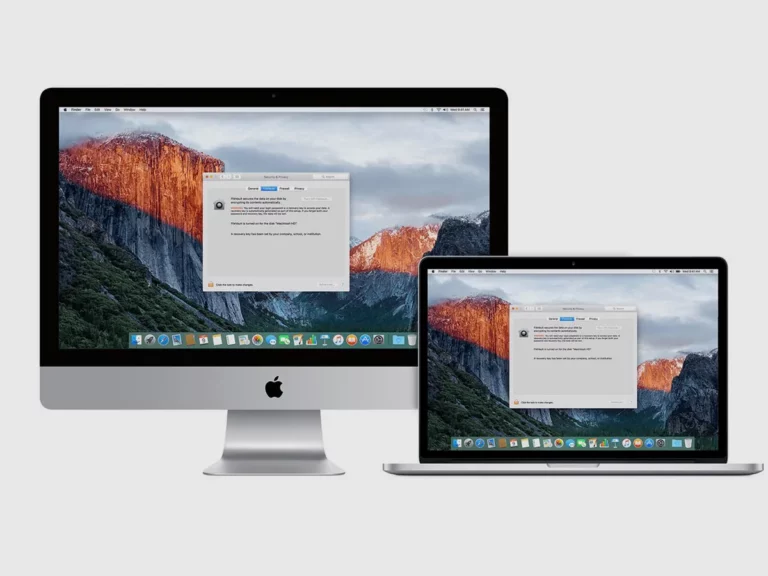
    This article discusses the software tool Bitlocker for Mac for opening BitLocker protected drives in MacOS.

    Data backup and migration are frequently performed using USB flash drives and portable hard drives. Microsoft launched a data encryption mechanism called BitLocker, which has been a built-in feature since the release of Windows Vista, to prevent unauthorized access to those internal and external discs. However, the Bitlocker for Mac is not available as of now.

    BitLocker is a powerful encryption technology that comes standard with the Windows operating system, and it’s a terrific way to safeguard your data on both internal and external discs. As a result, once the external hard disc or USB flash drive is secured with BitLocker, you won’t have to worry about data leakage. When the pre-set password is entered, the encrypted drive becomes accessible. As a result, many users, like myself, are adamant about encrypting an external drive with BitLocker when it contains vital files or data.

    Bitlocker for Mac

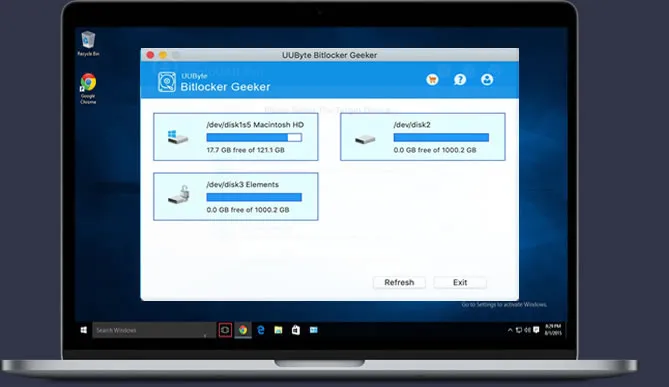
    1. UUByte Bitlocker Geeker

    Have you tried but failed to open a BitLocker encrypted drive on a Mac computer? This is a typical problem because Mac does not support accessing external drives that have been encrypted with BitLocker, a Windows-based encryption solution. Don’t get too worked up! UUByte BitLocker Reader for Mac gives you two options for reading BitLocker drives on your Mac.

    Features:

    1. Unlock with Password
    2. Unlock with the Recovery key
    3. Compatible with AES 256-bit
    4. Support Different File Systems
    5. Read & Write Operation
    6. Work on the latest macOS

    2. Hasleo Bitlocker Anywhere

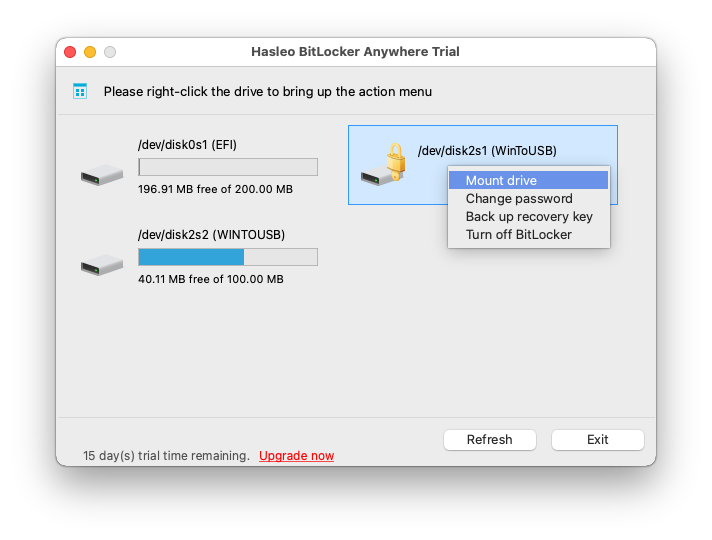
    Mount BitLocker-Encrypted Drive in macOS

    Hasleo BitLocker Anywhere For Mac is a free BitLocker for mac that provides an ALL-IN-ONE BitLocker solution for macOS and OS X users. In macOS and OS X, you can use it to encrypt drives with BitLocker Drive Encryption, decrypting BitLocker encrypted drives, reset the password for BitLocker encrypted drives, mount and unmount BitLocker encrypted drives, and access, read, and write BitLocker encrypted drives.

    Features:

    1. Mount & Unmount BitLocker-Encrypted Drives
    2. Full Read & Write Access to BitLocker-Encrypted Drives
    3. Encrypt Drives with BitLocker Drive Encryption
    4. Decrypt BitLocker-Encrypted Drives
    5. Change Password for BitLocker-Encrypted Drives
    6. Export BitLocker Recovery Key & Startup Key

    Also Read:

    3. iSunshare Bitlocker Genius

    open read write bitlocker encrypted drive on mac

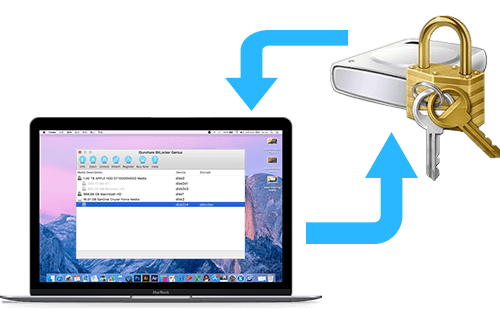
    On Mac, you can use iSunshare BitLocker Genius to unlock a BitLocker encrypted drive using an open password or a recovery file. As a result, you can move files and folders between the BitLocker drive and your Mac machine. Once the BitLocker encrypted disc is mounted, reading and writing to it on a Mac computer is a breeze with this Bitlocker for Mac.

    The DMG file is a Mac OS image file that is equivalent to the ISO file in the Windows operating system. We can’t open the DMG file directly by default. To open a DMG file, you’ll need to use a third-party BitLocker for mac like iSunshare BitLocker. This software’s attach function allows you to open, read, and write *.dmg files as needed.

    Features:

    • Mount or unmount BitLocker encrypted drive on Mac.
    • Read & write the BitLocker encrypted drive on Mac.

    Conclusion

    Although there is no official way to access a BitLocker encrypted disc on a Mac, third-party software can provide alternatives. These BitLocker for Mac applications assist you in doing the same, without any hassle.

    In conclusion, BitLocker for Mac allows you complete control over your BitLocker encrypted hard disc or USB device, as well as several alternatives. However, all the applications listed above do not provide you with the same features as some of them you can only read and write encrypted data, and you won’t be able to modify the BitLocker encrypted USB drive’s password or decrypt it. Now that you have the ball in your hands, you may choose which action you wish to do with your BitLocker encrypted drive.

    5 Essential Tools for Managing a Multilingual Blog

    If you’re looking to take your blog to the next level, multilingual blog content is the way to go. Adopting a multilingual approach is an easy way to broaden your appeal to non-native English speakers. However, to effectively leverage multilingual blog content, you’ll need to think carefully about localized SEO and region-specific backlinking tactics. One of the best things you can do to kick things off is to brush up on your foreign language skills. If you’re eager to expand into Europe, investing in some French lessons or getting to grips with German grammar.

    However, language skills alone will only get you so far. To help maximize the success of your translation efforts, we’ve cherry-picked some of the best tools currently available to help manage your multilingual blog content.

    1. Memsource 

    If you’re looking for reliable translation management software, Memsource is well worth your time. This accessible software makes machine translations simple, with powerful AI technology working behind the scenes. Ultimately, you’ll want to ensure a human translator is putting the finishing touches on content intended for foreign markets. However, this superior software is highly effective at getting captivating content primed and ready for international audiences.

    2. WordPress Multilingual Plugin

    Around 455 million websites use WordPress. If your blog has been created with it, WordPress Multilingual Plugin (WPML) should be a key tool in your repertoire. This multifaceted plugin makes translating entire posts and pages simple. Furthermore, everything from collapsible menus and blog themes can be readily translated into a new language. While the WPML plugin allows you to carry out some translations automatically, it’s particularly useful as a management tool.

    You can prioritize specific content that needs to be translated and assign a linguist to carry out the work. Alternatively, you can use the same Translation Management plugin to connect with professional translators to have your content readjusted for new audiences in record time.

    3. Google Trends

    Google Trends in Multilingual Blog

    Google Trends has long been popular with bloggers and content creators. If you’re struggling to come up with content ideas for new territories, Google Trends should be your first port of call. In just a few clicks, you can see how well a particular keyword or phrase is performing in a specific country. Many people make the mistake of simply translating existing content from English into a new language. However, if there isn’t an appetite for your starter content internationally, you’ll have to start from scratch.

    In short, Google Trends makes it easy to source the best keywords and topic cues when putting together a multilingual blog.

    Also Read:

    4. Trello

    Although Trello doesn’t offer any specific SEO features or translation tools, it’s an invaluable asset for bloggers looking to keep making quick work of extensive translation projects. If you’re extending your reach to multiple countries and need to produce content in many foreign languages, Trello is a terrific team management tool. It’s simple to create boards that outline the specifics of each translation or content creation assignment.

    With Trello, you can maintain clear oversight of a project from initial assignment through to the editing stage, right up until it’s ready to be published. All of this saves you the hassle of having to rely on email communications to manage translation projects. When you consider that the average worker wastes more than 1,000 hours every year on email correspondence, the benefits of Trello are obvious.

    5. Answer the Public 

    Finally, we move on to Answer the Public. This is one of the best keyword and topic research tools currently available. It brings together insights from Google and Bing, providing detailed snapshots of what users from across the globe are searching for. The best thing about Answer the Public is that it goes far beyond keyword suggestions. With this tool, you’ll get multifaceted insights that are loaded with invaluable context to help steer your translation and localized content creation efforts.

    Why is Blogging Essential for Every Business?

    We live in an increasingly digital world today, where almost (if not) all businesses have an online presence. In a nutshell, blogging is an essential part of digital marketing. Its ultimate aim is to drive website traffic and promote products or services. And it doesn’t matter what type of business you have – blogging is integral to the development and success of your business. Keep reading to learn about the reasons for including blogging in your online marketing strategy.

    There is a myriad of benefits that emerge from blogging. For starters, a quality, insightful blog has the power to keep the audience engaged. Blogging is a great way to attract new clients. It also helps drive traffic to your website. Furthermore, you can use the content for social media and advertising. Moreover, blogging is an excellent way to teach prospective clients about new products and services.

    1. A quality, insightful blog has the power to keep the audience engaged

    As you probably already noticed, today’s market is highly competitive. Hence, it’s quite challenging to promote a certain product or service and stand out from the crowd. A blog can help you do exactly that. Having a blog is a great way to keep the audience engaged by representing your business using different multimedia. A blog is not only a written word. It also incorporates video materials, interviews, podcasts and other forms. A quality blog that features insightful content attracts an audience and keeps them engaged. You can create a blog for any kind of business and write about something relevant in that area. For instance, if you have a fashion business, you can write about popular fashion trends for 2022 or about reputable clothing vendors.

    2. Blogging for Business is a great way to attract new clients

    Besides keeping existing clients engaged, blogging is also a great way to attract new clients. If you fill your website with amusing and much-needed content, you are going to attract new clients for sure. You can do your research and write about hot topics, preferably from a perspective no one has yet written about. Or about a trending, new and relevant topic. Fluff and the same old stuff won’t attract new clients. However, something new and useful surely will. You can learn more about writing titles and content which is user-friendly and attracts readers.

    3. It helps drive traffic to your website

    Blogging for Business - Website Traffic

    All online entrepreneurs and business owners wish for more traffic on their websites, as traffic means potentially increased sales. Besides optimizing your website for search engines, blogging is another way to help drive traffic to your website. By writing blog posts, you can increase the number of pages on your website and update them more frequently. With every blog you get an indexed page, which eventually helps you to rank higher on SERP, thus driving organic traffic to your site.

    Also Read:

    4. You can use the content for social media and advertising

    There is another benefit of blogging – you can use all the blog posts on social media as well. This can help as, by sharing content on social media, more people can learn about you. People share all kinds of content they find amusing and relevant to social media channels such as LinkedIn, Instagram, Twitter, Facebook and others. It keeps your social media presence going. Of course, you can also create new content for social media, but why not use something you already have? What’s more, you can also go for a combination of the two. It’s like killing two birds with one stone.

    5. Blogging is an excellent way to teach prospective clients about new products and services

    When something new emerges, there probably isn’t a better way to present it to the audience than by blogging about it. Or by showing it in a video or explaining it in a podcast. You can post about specific characteristics of certain products or easy how-to guides. If done right, this is something that can really help people out. The more relevant and quality posts you create, the more authoritative status in the field you’ll get. Additionally, it builds your knowledge base and brand awareness. At the same time, it breeds creativity and innovation.

    These are just the multiple benefits blogging brings to all businesses. If you still don’t have a blog tab on your website, it’s high time you considered it.

    A Definitive Guide to B2B Marketing in 2022

    Business to business B2B Marketing is a type of marketing that targets other businesses. Its purpose is to encourage other companies to invest in products or services that will help them to gain more customers.

    B2B marketing differs from business to customer (B2C) marketing in that it has a different audience and uses different communication and marketing strategies. It looks at the needs and challenges of other companies to help them overcome their barriers and increase their profits.

    For example, SAAS marketing agencies help other businesses with their marketing strategies to help them build brand awareness and boost sales. An on-demand printing service or fulfillment warehouse works in partnership with other companies to help them fulfill their customer orders.

    How to Define Your B2B Marketing Strategy

    There are a variety of B2B marketing strategies, some of which will work better for your business than others. When you are creating your unique strategy, there are a few things that you will need to do before you begin.

    • Define your brand positioning – determine who you are, what your brand aims are, and how your brand is unique.
    • Identify your target audience and buyer personas – consider who you are trying to target with your products or services and create a detailed buyer persona.
    • Check the competition – run a competitive analysis to identify what your competitors are selling, their sales tactics, and the kinds of marketing tacts that they are using.
    • Determine your main marketing channels – there are many different marketing channels that you can use, such as social media and email marketing. Decide which methods will suit your audience the best to maximize your success.

    B2B Email Marketing

    Email Marketing in B2B Marketing

    When you do your competitive analysis, you will identify the types of marketing channels that your competitors are (and aren’t) using. You can use your results to determine which channels will be best for your business.

    One of the main B2B marketing strategies is email marketing. This strategy is also commonly used for B2C businesses because of its proven effectiveness. Email marketing has much higher conversion rates than social media, and it has huge potential to generate leads from email sign-ups.

    The main difference between B2C and B2B email marketing is the content. Most of the time, B2C emails are entertaining, whereas B2B email marketing contains content that is helpful, logical, and informative (of course, B2C emails can also be all of these things but they tend to be more informal).

    Depending on the type of businesses that you are targeting with your B2B emails, the content might revolve around finances, customer acquisition, retention, or time management. It all depends on what kind of goods and services you can offer to help them with each of these things.

    Your B2B email marketing strategy should involve sending a weekly or biweekly email to your contacts list. You won’t want to spam your audience with endless emails as this will have the opposite effect and might cause them to unsubscribe.

    Make sure to capture your audience’s attention by writing an intriguing subject line in your emails and include one call to action (CTA) in all of your emails. Your CTA might be asking your customer to click over to a product on your website or sign up for your course or program.

    If you have a large email list, you might benefit from segmenting your contacts into categories. This way, you can send more specific emails to the right people in your target audience.

    B2B Digital Marketing

    Digital marketing strategies are used by every business and they can significantly boost your awareness and success as a company. Digital marketing involves social media, SEO, website content, and paid online advertising.

    As with any other kind of marketing, your digital marketing strategy relies on a range of different things to be affected. Since digital marketing is concerned with anything to do with your online presence, you need to decide which platforms will suit your business the best.

    You also need to create a professional website where you can post information about your products and services, and create SEO-optimized blogs for your audience to read.

    Your website has two main functions. It needs to act as a sales page by displaying all of your products and services for customers to view.

    But it also needs to attract and retain the attention of your target audience. It should be engaging and entertaining, and it should provide value to your customers.

    The best way to provide this entertainment and value is to create interesting blogs or post about industry-related news. With every blog post is created on your website, you should use specific keywords and key phrases to increase your website’s ranking on search engine results pages.

    B2B Social Medial Marketing

    Nowadays, social media is a huge part of digital marketing. It’s almost impossible to outcompete other brands in your space if you don’t build a strong presence on at least one social media platform.

    It can be difficult for me to be companies to target businesses through social media. However, social media is still a great way to gain new customers and interact with your existing customers.

    You can use various social media channels to build brand awareness and create an online presence. Creating engaging content, whether it is still images or videos, can help you to connect with your target audience on a more personal level.

    You can share your products and services, as well as provide entertaining and valuable content for your customers.

    Many social media platforms offer paid ads now too. By spending money on boosting your posts and running paid ad campaigns, you can expand your reach and generate a higher income. One of the most popular kinds of ads is pay-per-click (PPC) ads. You run your ads on social media and pay a small fee each time somebody clicks on your ad.

    Ways Marketing Has Evolved Over the Years

    Marketing is an ever-changing industry. What worked yesterday may not work today, and what works today may not work tomorrow. That’s why it’s so important for businesses to stay up-to-date on the latest marketing trends. Below, we will discuss some of the many ways marketing has evolved over the years.

    Better Data Collection

    Collecting customer data is a critical part of modern marketing. By understanding who your customers are and what they want, you can create targeted marketing campaigns that are much more likely to be successful. In the past, businesses would have to rely on guesswork and intuition when it came to their marketing efforts. Today, there are a variety of tools and software available that make it easy to collect customer data.

    Customer data collection has improved significantly in marketing over the years. Thanks to new technologies, businesses are now able to collect more data than ever before. This data can then be used to create targeted ads and messages that are more likely to resonate with customers. Additionally, businesses can use customer data to better understand what their customers want and need, which helps them create great marketing plans and strategies.

    Improved Segmentation

    One of the benefits of having more data is that businesses can now segment their customers much more effectively. In the past, businesses would generally segment their customers by broad criteria such as age, gender, and location.

    However, with more data comes the ability to segment customers by much narrower criteria. This allows businesses to create targeted messages that are much more likely to resonate with each individual customer. As a result, businesses are able to get better results from their marketing efforts.

    Higher Interactivity

    Marketing has become more interactive over the years as technology has advanced. In the past, businesses would rely on print, television, and radio ads to reach their target audience. However, these methods are becoming less and less effective as consumers become inundated with advertising. In order to stand out from the competition, businesses need to find new and innovative ways to reach their customers.

    One way marketing has become more interactive is through the use of social media marketing strategies. Platforms like Facebook, Twitter, and Instagram allow businesses to connect with their customers in a more personal way. They can share content directly with their followers, and they can also engage with them directly by responding to comments and messages. This allows businesses to build relationships with their customers and create a loyal following.

    Also Read:

    Improved Content

    ways marketing has evolved

    If you were to ask a marketer about the biggest changes they’ve seen in their industry over the past few years, they would probably mention content. Content has become increasingly more important over the years as businesses have realized their potential for reaching and engaging customers.

    One of the biggest changes in content marketing has been the shift to visual content. In the past, businesses would rely mostly on text-based content such as blog posts and articles. However, this type of content is no longer as effective as it once was. Today, businesses are realizing the importance of visuals such as videos, infographics, and images. These types of visuals are more engaging and allow businesses to communicate their message in a more effective way. With a plethora of content options, businesses can reach a varied audience with their message.

    More Diverse Marketing Options

    One of the ways businesses can stay up-to-date on the latest trends is by using a variety of different marketing tools. These tools allow businesses to communicate their message in a variety of ways, which helps them to reach more people.

    Some of the most popular marketing tools include social media, content marketing, and paid advertising, but these aren’t the only options. Social media allows businesses to connect with their customers on a personal level, but it doesn’t reach them outside of an online environment. Classic, physical advertising methods are still incredibly important for modern marketing. If you want to reach local audiences, you must utilise methods such as banners, billboards, flyers, etc.

    Modern marketing experts recommend combining as many methods as possible to reach target audiences. While a social media campaign will attract lots of customers, it should be supplemented with the physical methods we’ve mentioned as well. Setting up a couple of billboards and visually appealing fence banners will make all the difference for local marketing efforts. Not to mention, physical marketing methods are incredibly cost-effective and provide high ROI. They can reach thousands of prospective customers rather quickly, especially if set up in key strategic locations.

    Increased Ad Personalisation

    Another big change in the world of marketing is the increased personalization of ads. In the past, businesses would create generic ads that they would show to everyone. However, this is no longer effective as consumers have become savvier and can see through these types of ads. Today, businesses need to create personalized ads that are targeted toward specific demographics.

    This can be done by using data collected from customers. Businesses can use this data to learn about their interests, needs, and wants. They can then use this information to create ads that are relevant to them. This helps to ensure that the customer sees an ad that is interesting to them and increases the chances of them doing business with the company.

    This applies to every marketing method, but it’s especially effective for online marketing. Personalised emails and messages are more likely to be read and responded to than generic ones, and they are much easier to personalise with consumer data.

    Conclusion

    In conclusion, marketing has come a long way over the years. With advances in technology, businesses are now able to reach their customers in more effective and personalised ways. However, it’s important for businesses to stay up-to-date on the latest trends so that they can remain competitive. Stagnating is a surefire way to lose the attention of an audience, which is part of the reason why marketing is one of the fastest-growing and evolving industries. The more it evolves, the more complex the methods that marketers use, as you can see from the previous examples. Following as many of these trends as possible guarantees higher success in marketing, as long as they are applied correctly.

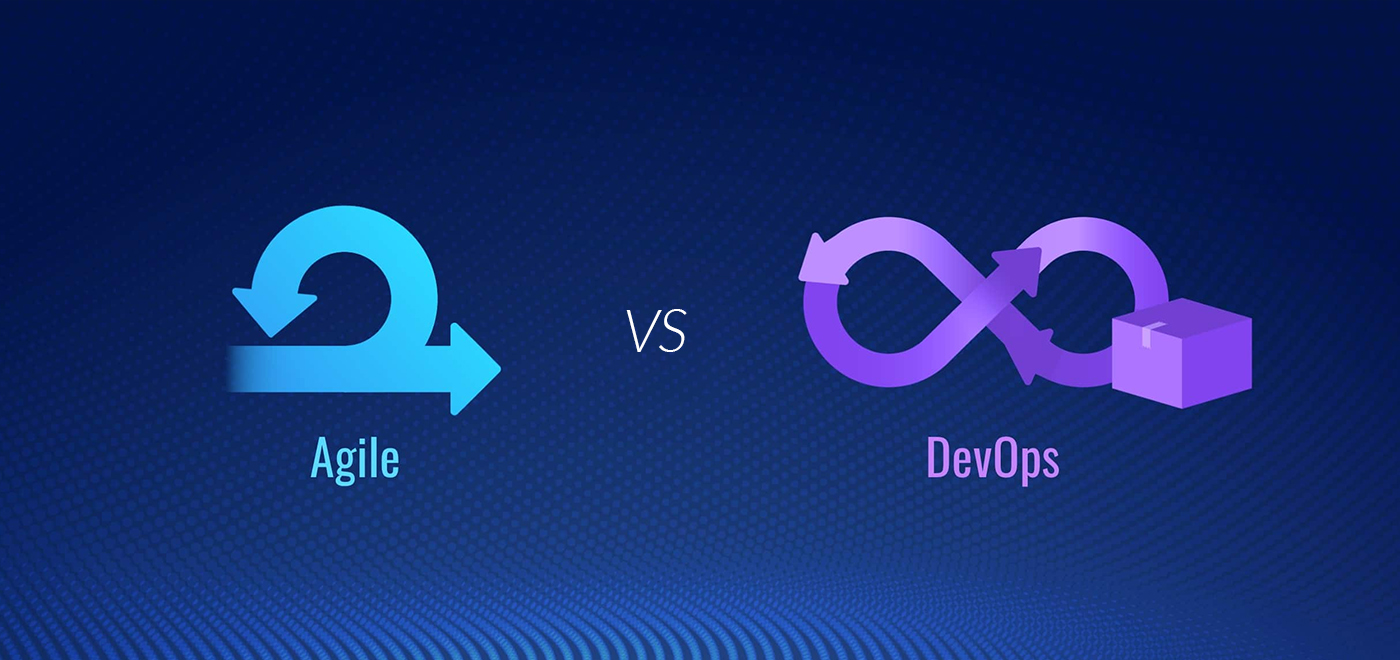
    DevOps vs Agile – A Detailed Explanation!

    Are you investing in software or application development processes? Confused about which approach to be taken between DevOps vs Agile? It is the story of maximum investors as there are several elements, methodologies, and procedures that can be followed. One needs to choose from the same to move ahead with the development procedure.

    We are here to explore two of the most popular ways that are considered for the purpose of development worldwide. We are here to dig in and find out the difference between DevOps and Agile methodologies. If you are finding it difficult to choose one of them for your development needs, then we are here to make things easier for you by providing details about both the processes that can help you in making your decision a lot more convincingly.

    We are here to check which one is better and whether both methodologies can survive in today’s market or not. Before moving on to the differences, let’s first understand why these concepts are so popular and why it is important for you to understand the differences between the two. Let’s get started.

    Why Invest In These Methodologies?

    Agile vs DevOps

    With competition so high, it is important for businesses today to have an edge over their rivals. The best way to do the same is by going a step ahead of them. This is why businesses are investing heavily in different types of software or applications that can help them reach a bigger audience and push their returns big time.

    Like in the educational sector, businesses have invested heavily in the domain of LMS solutions to beat the complications of the pandemic and keep their classes going. But, to get the best out of these applications or software, it is important for the business to invest in the right methodologies, whether it is in the form of DevOps or Agile.

    If you are having trouble choosing the right methodology for your application or software, then we are here to help. Now let’s understand the two of the most popular methodologies in detail so that you can come to a conclusion and then get your software developed in the best way possible. So, let’s move on to the next segment and understand what the best procedure is to get the best product developed as per your specific needs.

    Difference Between Agile And DevOps

    Let’s get started with the difference between the two methodologies so that you can be clear about the methodologies that can be considered for the purpose of software or application development. Let’s first understand what it is and then take it ahead.

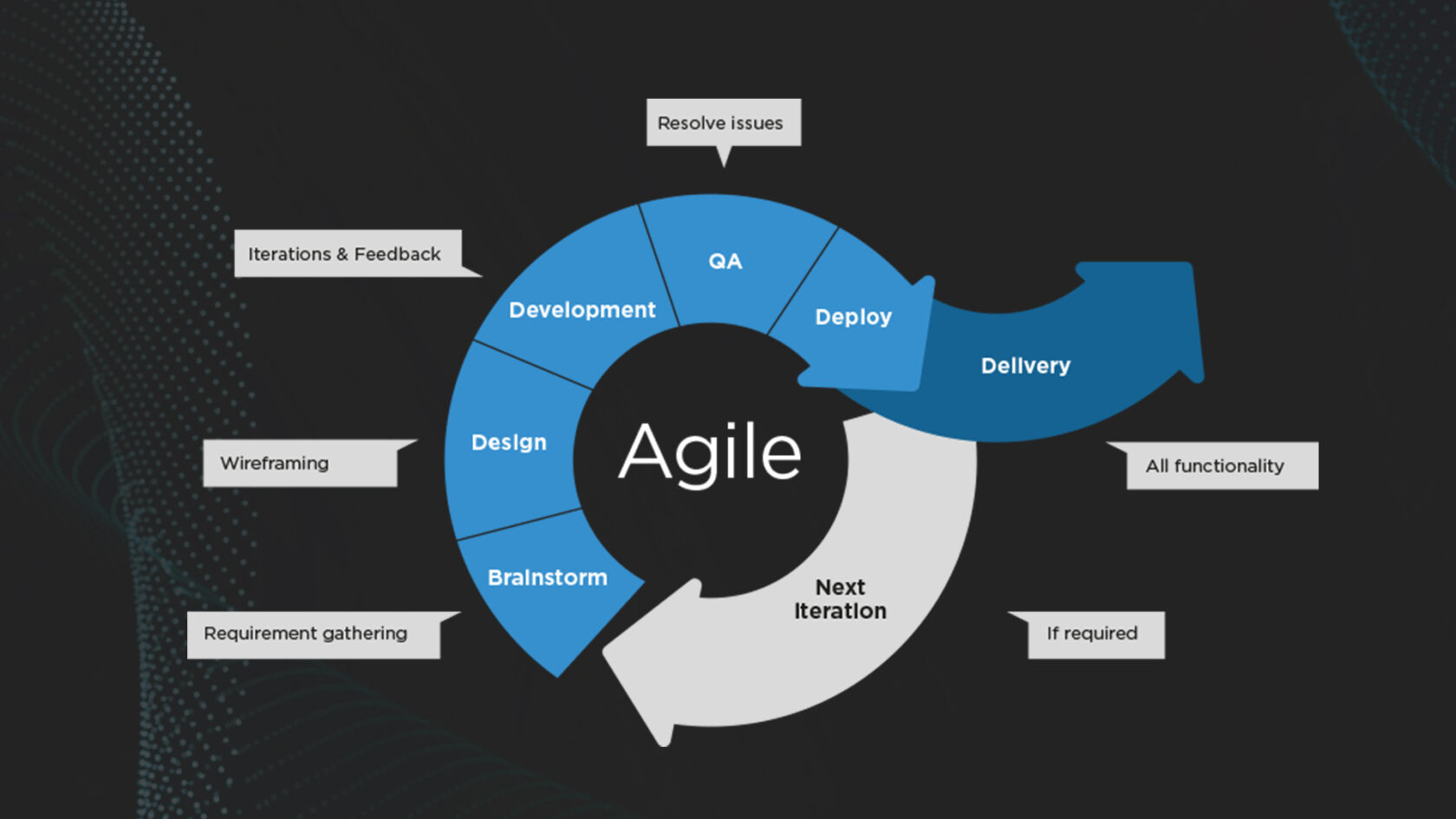
    Agile Methodology: Synopsis

    Agile Methodology in DevOps vs Agile

    When it comes to Agile methodology, it is basically considered for the purpose of software development. This type of methodology is basically considered by the developer when they are going through a repetitive development process. This means that going through the Agile methodology helps businesses get their work covered a lot faster and effectively. Not only this, while helping you with the same, the quality and predictability are not compromised at all. In fact, it also has the ability to change as per the needs and requirements without any hassle.

    Now when you are clear with the Agile methodology, let’s come to the next segment where we understand what DevOps is in detail and then take things ahead.

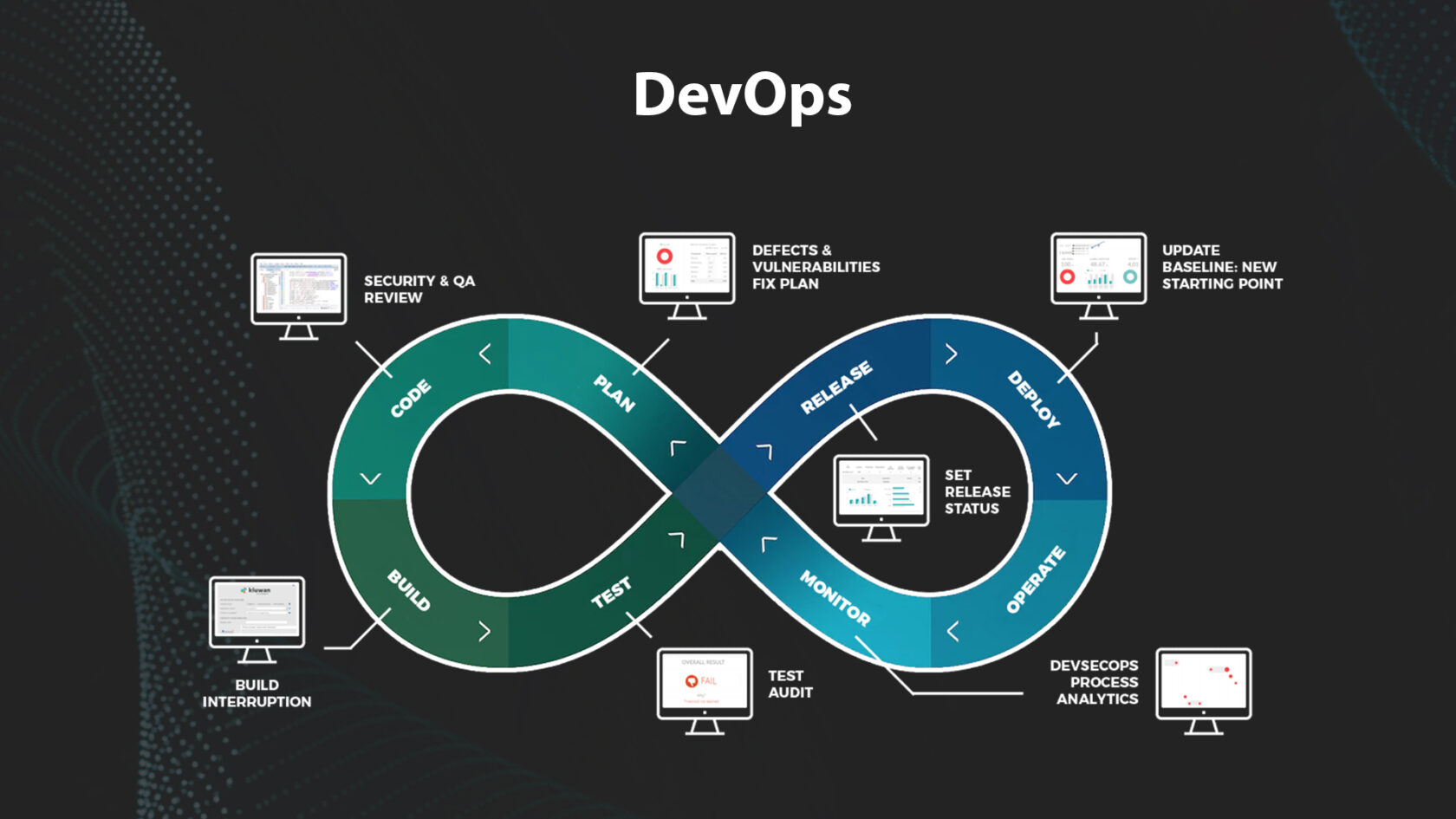
    DevOps Methodology: Synopsis

    DevOps vs Agile Methodology

    When it comes to DevOps, it is basically a practice that is considered for the purpose of IT operations and software development. The primary objective of this methodology is to help in the process of reducing the system development life cycle. Not only this, but it also helps in the procedure of constantly providing top-quality software development services. When compared to Agile, it is reciprocal to that procedure when it comes to developing the software. In fact, there are many DevOps attributes taken from the Agile methodology itself.

    This methodology has been developed in the agile and lean practice areas. This shows that the company is committed to providing delivery, deployment, and integration services in the most proficient manner. Below mentioned are three principles that define the process of DevOps methodology. Take a look:

    1. Principles of continuous learning
    2. Principles of feedback
    3. Principles of flow

    Hopefully, you are fully clear about both methodologies. Now let’s understand the benefits you can avail yourself of from both the methodologies.

    Also Read:

    Benefits of DevOps And Agile

    DevOps Methodologies

    • It makes the innovation faster as the changes can be accommodated a lot more efficiently, which can bring excellent results.
    • Another major advantage that you get from DevOps is that you get quick delivery.
    • With the assistance of continuous delivery and integration, the quality of infrastructure changes and application updates remains high and fast.
    • It also plays a key role in improving collaboration.
    • You don’t have to give up security with the assistance of integrated and automated security testing tools.

    Agile Methodologies

    • With the help of this methodology, you are benefited from faster time to market.
    • It helps in the process of testing that can bring out the best quality product as well.
    • The chances of any risk getting down with your application and software development through Agile.
    • The chances of satisfying your clients are very high with this particular approach.
    • Now when you are clear on the benefits of the methodologies, let’s now move on to the differences that can make things even easier to devise which way to go.

    DevOps vs Agile

    Now let’s get started with the pointers where you can understand the differences between the Agile and DevOps methodologies. Take a look:

    • In the Agile methodology, the automation process is not much appreciated. But, when it comes to DevOps, it is an integral part of the overall procedure.
    • When it comes to Agile methodology, the process of software development, testing, and deployment are covered using different resources. But, when it comes to DevOps, DevOps engineering is responsible for the entire operations and development procedure. This means that all the aspects are covered by the same people. 
    • When it comes to Agile, it primarily focuses on transparency, adaption, and inspection rather than predictive measures like DevOps.
    • Both DevOps and Agile methodologies involve deployment, software development and testing processes. But, with Agile methodologies, the process stops after these three steps. With DevOps, the process continues with proper monitoring and continuous deployment.
    • When it comes to DevOps, it is more dependent on the self-feedback, and when it comes to Agile Framework, it is more dependent on the customer feedback.
    • DevOps is more focused on the process of getting the expenses down, while Agile methodology is more focused on reducing waste.

    Last Words

    Hopefully, you are clear about the differences between DevOps and Agile Methodologies, and you can decide the one that can be used for the purpose of developing different types of software, right from healthcare management to school management software. All you have to do is to connect with a company that can understand your business needs and assist you with the appropriate development methodology. Good luck!

    5 Easy Tips for a More Secure Development Process

    Web apps are becoming an essential part of business and daily life. People and corporations may streamline their lives and get more tasks accomplished with fewer resources by adopting web apps, attaining goals more rapidly than they did earlier.

    But while work efficiency is an undeniable advantage, security and privacy concerns have also risen with the rise in automation. Tragically, there really is no “miracle cure” option for securing the data in a DevSecOps system. Developing clear organizational protocols and properly spreading that information within your business is critical to avoiding security breaches.

    A firm is more vulnerable to a cyber attack if its data security measures are ambiguous. Here are five excellent tips and tools for building a secure program development process in an organization.

    Top 5 Tips To ‘Shift Left’ The Development System Security

    Software Composition Analysis (SCA)

    Open source vulnerability assessment, also referred to as software composition analysis (SCA), evaluates open source tools, libraries, and their dependencies in the codebase under investigation.

    Any open source components discovered are reviewed and compared to vulnerability inventories like the software vendor security advisories, NVD, and other security resources. These sources can assist in determining the degree of the risk, determining the likely consequences if it is abused, and making repair recommendations.

    Securing Container Image Scanning

    In their broadest sense, container platforms are software systems for managing containerized applications. They offer container designs with automation, orchestration, control, security, customization, and organizational support.

    Their primary premise is to help developers and DevOps staff identify exploits or hazardous components and directly deliver remedial or preventive assistance to them. Container platforms come in various forms, and securing containers is one of the most preferred security procedures among businesses. Learning how they work and how to deploy them can massively help in securing containers for development.

    Dynamic Application Security Testing

    Without having access to the underlying source code, DAST solutions can help automate security testing on running applications, scanning for many new threats. These services are used to test a website application’s HTTP and HTML interfaces.

    Secure Development Process in CyberSecurity

    DAST is a black box testing approach for detecting security flaws from the standpoint of an adversary, replicating typical attack paths, and simulating how an assailant may identify and leverage weaknesses. DAST is a fantastic technique to check vulnerability scanning in testing or staging environments since it is mechanized and simple to combine with other DevOps technologies.

    Also Read:

    Static Application Security Testing

    Designers can use SAST to examine their program code for unsafe or poor programming and identify possible security risks that must be addressed. Each found bug has a severity rating, which programmers can use to optimize treatment.

    Whenever SAST is implemented into the SDLC or a CI/CD process, developers can design quality checkpoints that determine the number of issues and their severity level that can cause a build to fail or prohibit a component from progressing to the next step of this process. Integration into developers’ integrated development environments (IDEs) will enable them to identify program flaws as they create them, assisting them in building security into their program from the outset.

    Infrastructure Automation Tools

    Automation is a big part of DevSecOps, and newer strategies include automating infrastructure design and defence. This group of tools efficiently detects and fixes numerous security bugs and misconfigurations in cloud systems. Event-based automation, configuration management, infrastructure as code (IaC), and cloud configuration management technologies.

    Other Tips To Ensure Secure Code Development

    Make Use of Threat Modeling and Alerting Tools

    Threat modelling tools assist the DevSecOps crew in anticipating, detecting, and assessing threats through the whole threat landscape. The goal is for teams to be capable of making data-driven, proactive security risk choices rapidly. DevSecOps teams can use alerting tools to react to security incidents fast. An alerting tool should, in theory, only notify the team when the unusual occurrence has been examined, prioritized, and considered worthy of the team’s focus to prevent disturbing DevSecOps routines.

    DevSecOps staff can get ahead of the problem by incorporating such technologies successfully into the development process. Depending on the sort of alert they receive, they can implement the required protocols to protect the code from being compromised.

    Protocols To Consider Before End of Life

    The three most essential steps to ensure software security are using preset coding protocols, thorough scans of the source code, and manual review of the codes. Manual code review is the most important and will go a long way.

    Manual code reviews are indeed necessary, even if you have digital tools to assist you. Automated screenings will not capture every error, and they will still miss much of the human intelligence required for critical reasoning. After the original program proposal is finished, the source code must be manually examined by a professional in software design exploitable bugs.

    Even after initial testing and implementation have been successfully achieved, there’s still some work that needs to be done during the maintenance phase. The best thing during this phase is to make room for feedback. This smoothes out the patching and testing processes that need to be undertaken during the maintenance phase.

    Good End of Life Practices

    End-of-Life, in technological terms, is something that is no longer maintained by its creators. There will be no more tweaks, updates, or hotfixes available. Confidential material must be deleted and discarded as part of the decommissioning process unless there exists a legislative obligation or a commercial need to maintain it. The key to this approach is to keep the GDPR guidelines in mind.

    Conclusion

    Your strategy and plan for dealing with security risks should develop as well. As we resort to web apps to satisfy even more and more of our most ordinary business demands, we face highly sophisticated enemies and ever-expanding weak spots. This is a worry that needs a full commitment.

    While it is unrealistic to expect to avoid all threats, you can strive to face the prospect by developing your own intelligence as a tactical weapon. Ensure your management is intimately engaged and that you have enough assets to establish an aggressive forecheck that can identify and respond to new security threats and risks.

    How to Generate Leads Without Spending Any Money in 2022

    For the survival of any business, lead generation and having a good customer base is a must. With globalization, the markets have become highly competitive. Numerous companies will be selling products and services that are similar to your business. Therefore, you must stand out and level your marketing campaign to attract the targeted audience.

    Consumers are fickle. Hence, you cannot trust their instincts. They are ready to jump the ship if they are given a better offer or if your competitors can pique interest in them. Therefore, businesses need to come up with lead generation strategies that will attract their targeted audience, and convert them into high-value customers.

    If you are wondering how to generate leads, nurture them, and build relationships with them, you can follow the following strategies.

    1. Use a Sophisticated Lead Generation Tool

    Generating leads is a tedious and time-consuming task. But luckily, it can be made easy with various outreach tools for generating leads like Kennected. Such tools will automate your lead generation campaign and enable you to find high-value leads. With an intuitive and affordable lead generation tool like Kennected, you can automate your outreach programs and send personalized follow-ups which will help your company to generate top leads in a short period.

    The lead generation tool will provide various features that will help you build a connection with the prospects and turn those cold conversations into sales conversations. For instance, tools that allow you to find top prospects from LinkedIn and send them personalized messages with their name, company name, and more. With the laser targeted outreach, you can find the ideal prospects. Further, you can enhance your outreach campaign by adding personalized video messages made through Kennected videos. Other features like setting time delays between follow-ups and having analytics to know which campaign drives the best results will accelerate your outreach campaign and help your gain sales.

    So, in this era of technology, pick your tool to accelerate your lead generation campaign and stay ahead of the competition.

    2. Publish contents that will pique the interest of the targeted audience

    Good quality content is one of the best ways to drive traffic to your website. But, while creating and publishing content, make sure that your content will pique the interest of your targeted audience. Without publishing goal-oriented content, you won’t get the leads that you want. With good quality content, your website traffic may increase, but you need to create the right content to generate leads.

    Since this is an era of informed customers, they will probably be aware of your brand and what services you offer. Therefore, create in-depth contents that will pique their interests, educate, and inform them. To boost your credibility, you can make video content showing how your products work or publish case studies that will inform them how your products help the customers to achieve their goals. Also, having interesting content like quizzes is a good idea. If your product is focusing on millennials, you can create Instagram stories or posts.

    An in-depth problem-solving blog is an effective way to attract a targeted audience. In this blog, you can provide a solution to your targeted audience’s queries and doubts. Do not forget to add a call to action.

    You can also use podcasting to engage and build relationships with your targeted audience. For this, you can collaborate with someone famous or invite a guest host. At the end of the episode, you can tell your audience about the guide on a topic that can be downloaded using the URL shared.

    While using content to create leads, you need to first know your targeted audience. Then create content that will touch their pulse and intrigue them.

    Also Read:

    3. Go Live

    How to Generate Leads - Go Live

    Creating content for your Instagram and posting YouTube videos is a good way to generate leads. But if you want to build a strong relationship and know your audience better, embracing live events will be a good idea. Going live will build your credibility and your brand’s value. It will show your business’s authenticity.

    You can choose any social media platform like Twitter, TikTok, or other channels to host virtual live events. You can also invite a guest speaker to clear all the doubts of your targeted audience or have a conversation on some issues through platforms like Twitter Spaces.

    4. Try Email Marketing

    The first step for successful email marketing is to create a list of prospects that can be obtained using social media platforms or through other sources like newsletters. Remember that people usually do not share their email addresses, making those people who shared their email addresses the ones that are interested in your business. So, if you use proper marketing strategies, you can convert these leads to customers.

    Email Marketing - How to Generate Leads

    Once people share their email addresses, make sure that you feed them with proper content, so that they won’t regret giving out their email addresses or subscribing to your newsletter. You can offer quick tips, interviews with industrialists, discount codes, and other interesting content.

    Whatever form of content you are sending, make sure to send them in regular intervals, on fixed days and times.

    Lead generation is a must-have for the success of any business. Therefore, follow these strategies to attract your leads and engage with them.