More
    Home Blog Page 38

    How to Improve Your Kubernetes Security

    0

    Since Tesla experienced a malware attack for cryptocurrency mining, it has left organizations worried about their Kubernetes security. With more organizations adopting the use of containers with orchestration tools, such as Kubernetes, it can leave them more open to vulnerabilities.

    However, several steps can be taken to minimize your Kubernetes security flaws. This will enable you to benefit from the portability that containers with Kubernetes offer, without being exposed to attackers.

    Must Read: Kubernetes V.1.17 Release – Features and Advantages

    Upgrades Are Important

    There are quarterly updates within Kubernetes which bring new security features. These updates aren’t just small bug fixes. Using the newest version with the latest patches helps to ensure better protection.

    We recommend that you try your best to stay on top of these updates. This is because it can become difficult to keep up with new patches and updates if you haven’t upgraded your system in a while. Most Kubernetes providers make this upgrade process hassle-free.

    Using RBAC

    RBAC (Role-Based Access Control) is a feature that you can enable for control over exactly who can access your Kubernetes API. This also takes into account the permissions that the person has in regards to RBAC.

    If you currently use the Kubernetes 1.6 version or later, RBAC will likely be enabled already. Although, upgrades since then may have altered some of the configurations. So, be sure to check the settings and enable RBAC while disabling ABAC (Attribute-Based Access Control). This is due to how the controllers surrounding Kubernetes authorizations are set up.
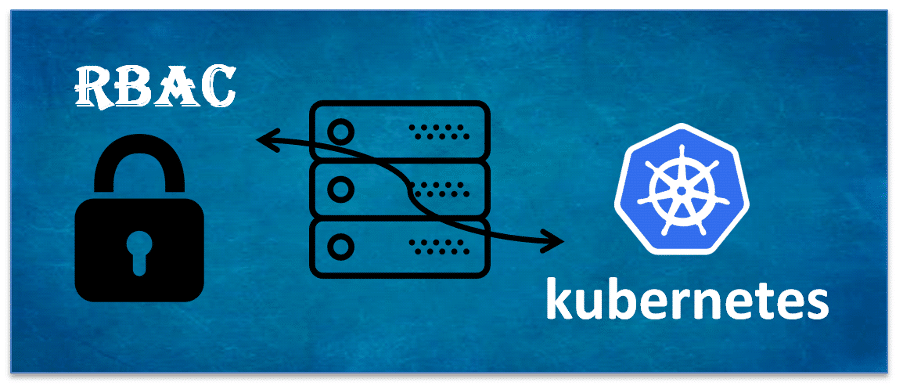
    When you’ve enabled RBAC, you can also avoid providing cluster-admin exemptions. It’s more secure to only provide access in specific cases. You can make individual service accounts for cases where the application you’re running needs to have access to the Kubernetes API.

    Again, this is something that you can do in specific cases so that only a select number of people are granted permission.

    Namespaces

    Implementing individual namespaces helps you to easily distinguish between various components. As a result, you can have an easier time deploying security controls to the different namespaces as and when you need them.

    When you’re deploying various kinds of workloads in different namespaces, elements such as network policies become simpler to secure and control.

    Separating Workloads

    Separating workloads is an especially important security element when it comes to sensitive content. Therefore, it’s recommended that you deploy highly sensitive workloads in machines that have been specifically set up for that purpose.

    This process helps to prevent vulnerabilities from applications within the workloads that aren’t as secure. Node pools are a common way for organizations to keep their sensitive workloads protected.

    These node pools can be implemented on the premises or through the cloud. Tolerations, namespaces, taints, and various controls can also be viable options to consider.

    Cloud Metadata Access

    Securing your cloud metadata access is critical for preventing sensitive data from being stolen. There are metadata concealment features that you can use to alter the mechanism in which your clusters with sensitive information are deployed.

    It’s a great way to stop users from boosting privileges by causing microservices to become confused and leak important information.

    Managing Cluster Network Policies

    You can use network policies to control the network access coming in and out of container applications. To benefit from network policies, you’ll need to use a networking provider that allows this function to be used.

    Some of the popular Kubernetes providers, such as Google, will simply require you to opt-in to use this feature. For other Kubernetes providers, small upgrades may need to be underway.

    When you’re able to use network policies, begin by setting basic default network policies. This should include preventing traffic coming from too many different namespaces. If you’re using certain container engines, such as the ones provided by Google, you’ll be able to check if the clusters are functioning with or without policy support activated.

    Node Security

    There are several steps you can take to improve your node security with one of the main ones being to secure and properly configure your host. You can do this by comparing the configurations that you have set up with the benchmarks that have been set by CIS. Depending on the system that you’re running, you may find an automatic checker that can make the process more convenient.

    Taking stricter control over network access to sensitive ports is another way to boost your node security. Be sure that the network you’re using blocks any unauthorized access to sensitive ports.

    Attackers with malicious intent have been able to access ports when it comes to mining cryptocurrency clusters that haven’t been properly configured with the relevant authentications.

    Reducing overall access at an administrative level to Kubernetes nodes can provide them with another layer of protection. For the most part, you want to set up your nodes so that access to the clusters is limited.

    This won’t have too much of an impact because you can still carry out various tasks, such as debugging, without needing to have access directly with the node.

    Conclusion

    Now that you know more about some of the ways that you can improve your Kubernetes security, you can start implementing these recommendations. It’s also important to keep in mind that this is just one area of security.

    You’ll also want to ensure that the other elements of your container are properly secured too. It’s just as critical to continue monitoring your containers regularly so that you can pick up on any potential risks to mitigate them as soon as possible.


    How Influencer Collaborations Can Market your Brand

    0

    Brand Collaborations, especially on Instagram, have become one of the popular ways to market your brand in a short space of time. Brand collaborations are when two or more brands team up to market a product across their combined audiences, and they are up to 25 times less expensive than digital advertising. In this article, we will dive into some of the ways that collaborations can market your brand effectively.

    Promotes brand awareness

    Influencers can help you to spread awareness about your brand by marketing your brand to their audience. Many companies have partnered with influencers to let more people know about their products. Influencers create genuine content for the brands that they are collaborating with and advertise it to their followers. Collabstr.com is a fantastic website where you can post a collab to which influencers can apply to work with your brand to market your product.

    Influencers have built trust with their audience

    An influencer’s audience has been following them for a long time and trusts their opinion and will, therefore, trust any products that they suggest or recommend on social media posts such as Instagram and Facebook posts. Some influencers use the product and give their positive feedback to their audience, often resulting in their audience purchasing the product.

    For example, an influencer that has fantastic makeup skills will collaborate with a company wanting to market their new Mattifying foundation that is full coverage. The influencer will then maybe post a video of the foundation is applied, or they will post a photo of the makeup on marketing the brand.

    Your content strategy is supported

    All influencers have a unique style of creating content. As a part of their collaboration with a brand, they create original content, giving brands access to high-quality content. The content that influencers create can also fill the gap if you happen to run out of ideas as you can post their work on your social media account to showcase a regular flow of useful, high-quality content for your audience.

    A higher ROI is delivered

    Return on investment is a ratio used linking net profit and the cost of investment. When an investment has a high ROI, it would mean that the investment generated profits favourably in comparison to its value. According to a study, influencer marketing is the fastest growing online marketing technique, leaving other strategies such as display advertising far behind.

    Facebook has also been observed to get the best results in influencer marketing, along with blog posts. Close to 37% of the companies that used the influencer marketing strategy were surveyed and stated that blog posts are the most effective for their brand, while 25% said that Facebook was more effective.

    Assists with retaining customers

    Influencer marketing and collaborations have proven to produce high-quality leads. They have the ability to retain customers which has awarded it as one of the most effective online marketing strategies. Many because consumers do not trust ads anymore.

    Customers are now are turning to people they already know and trust for their suggestions. Audiences already support and prefer influencer marketing as a trusted means of marketing a brand and their products, as this partnership allows both individuals to contribute incredible value to each audience.

    Why Does Your Business Needs a Website in 2020?

    Whether you are a start-up biz or an established one, if you don’t have a website, you’re missing a lot. There is no better time to invest on a website than now. Are you still wondering if you need one? These reasons will change your mind, and you’ll see sites on a whole new level. 

    A website opens doors to a wide array of possibilities, increases its value exponentially annually, upscales small businesses, and builds your online presence 10X faster, which leads to increased conversion and ROI. 

    Whether it’s a simple website, building one is essential, regardless of what industry you are planning to conquer. There is a guide on how much it costs to build a website for beginners and huge businesses. You might be surprised that it cost less than you expected, from setting it up, maintaining, and reaping the fruits of having one. 

    Besides, having a website, either personal or for business, is a necessity. There’s no harm in trying, a matter of fact, and you’ll get more when you have one. 

    Must Read: 9 Benefits of Using WordPress for Your Business Website

    Why Is A Website Important For A Business

    Having a website builds a substantial online presence which allows you to create strategic marketing plans and approach to introducing your business in the digital world. Websites are vital as it helps you establish your credibility. It’s a unique yet positive impression that opens the door to your company’s success and potential opportunities. 

    9 Excellent Reasons Why Your Business Needs A Website

    1. It creates a professional approach

    Did you know that 85% of consumers believe that a business that has a website is more credible than just having Socmed profiles? It’s also the best place for you to show-off everything about your biz; from professional certifications to award, and more!

    Furthermore, if you’re still using a personal email to contact your correspondence, then it’s time to rethink. A custom-fit email address with your business name in it looks far more professional than a personal one. 

    2. A website opens the door for new clients/customers through search engine visibility

    Are you happy with the number of customers you have right now? New customers mean your business is growing too. Continued success means additional clients on board.

    With a well-optimized site, leads to better ranking and search visibility that attracts more online clients. There are plenty of tools to help you with this, all of which are conveniently easy and hassle-free.

    3. It provides transparency to the product or services you offer

    With a transparent site that showcases the products and services, they offer leads to more customers. Take advantage of using visuals and high-quality images to entice customers to your products. 

    4. It allows you to build credibility via reviews and testimonials in your site

    Prominently displaying the best testimonials and reviews about the product or services you offer boost credibility. These social proofs help establish your brand and business name. 

    5. Google Map integration redirects people for quick access

    If your site has an embedded map, people can easily track your location. It’s ideal if you have a business that hosts events, people will find your place quickly and later on, can have recommendations in the future. 

    6. It allows customers to get in touch with you quickly

    Potential customers can get in touch with you quickly if you have contact details on your website. There are different ways on how to place your contact details on the site. That way, site visitors can reach out to you faster.

    7. It secures a spot for your business in your chosen industry

    Building and establishing your online presence first adds an extra boost to the competition. Whether your competitors are online or not, it allows you to target a unique approach from them, allowing you to be on the lead.

    8. Creating a website is fast and easy, you’ll never have to feel intimidated, at all

    Many modern site builders allow you to create fun, mobile-friendly, and attractive sites without the need for shortcodes. Building a website has never been this easy.

    9. It ensures long-term success

    People are going online for almost anything. Taking advantage of the power of the internet can provide long-term success to your business. With a website, you can be digitally visible worldwide. 

    Does Your Business “Really” Need A Website?

    You need a website to stay in the competition and increase your digital presence, and a website is your best tool to be connected. Your ideas, products, and services need to be online for your business to be upscale. 

    Building a website is easy and affordable. There are straightforward and non-techy DIY ways to begin. It’s even cheaper than you might expect. 

    Conclusion

    With all the benefits waiting for you once you have your website, can you still afford not to have one and miss all those opportunities to be successful? We bet you won’t let that pass! Your business needs a website, and it’s your best investment for future success.

    5 Challenges of iOS Development in 2020

    0

    Developing an iOS application has certainly changed over the years as technology has improved and user function is at an all-time high. iOS is the operating system that Apple uses in its iPhone and iPad products. It is meant to be fluid between both devices, allowing you to bounce back and forth between the two and still have the same user experience.

    As the race for developing the next viral app continues, iOS development certainly has its challenges.  Developers run into new roadblocks daily as technology is constantly changing and what worked yesterday may no longer be applicable today.

    Must Read: Top Reasons Why iOS Will Dominate the Future Mobile App Development World

    When developing an iOS application, here are five of the most common challenges developers are facing.

    1. iOS Application Compatibility

    Remember, one of the big draws to apple products is being able to have the same experience on multiple devices. Like talked about above, both the iPhone and iPad use the iOS operating system. However, both of these devices function a little differently. Therefore, when developing an app to be used on the operating system, it is important that it fully functions on both devices. You want to be able to stop reading a book on your iPad and pick up right where you left off on your iPhone. This is one reason people become an “Apple family.”

    2. Network Conditions

    Big problem developers are facing is the need for a strong internet connection for premier app functionality. This is often found in apps that stream videos or offer a lot of graphics. Tweaking your app to be able to still function properly when the internet connection is not as strong is essential to keeping happy customers.

    Most times, people are staring at their phones when they are not busy doing something else. This can commonly be on public transportation, in a park, or waiting for something to start. These are all common places that do not have the strongest internet connections. If your app constantly pauses or has to re-load, people will find something else that has the capability to perform in less-than-desirable conditions.

    3. User Interface

    Something probably less thought of, but extremely important is the user interface – the look of the app. It needs to be visually appealing on a variety of screen sizes. What may look nice on a large iPad needs to look every bit as good on an older generation iPhone.

    If it is not attractive on different screen sizes, users are less likely to continue to use it. This is the instant gratification, and everything is beautiful day and age. If it isn’t visually appealing, they aren’t going to use it. Even worse, they will find a competitor’s product that does look good and they will use that instead. Visuals is the name of the game right now.

    4. Battery Life

    Let’s face it, no matter how amazing the technology on the app is, if it eats the battery quickly, it’s going to get deleted quickly. No one wants to kill their battery using one app, no matter how much they may seem to like it. Apps must be able to not utilize a ton of battery power while they are running, and especially while they are running in the background. No one wants a dead phone.

    5. App Store Approvals

    Definitely the biggest challenge of iOS development is getting past the App Store approval. The App Store is the place where you go to download your app. Currently there are over 2 million apps for purchase on the app store. There are millions more that didn’t make it.

    Stringent guidelines exist for developers to maintain while trying to get their app on the store. Changes are made almost daily to what is acceptable, so getting approval to place your app in the store is extremely difficult. This isn’t something you are going to be able to sneak through on. If Apple’s extensive policies aren’t followed, your app will be rejected. Apple operates under five pillars of guidelines that state the apps must

    • “Be safe
    • Provide a good user experience
    • Ahear to rules on user privacy
    • Secure devices from malware and threats
    • Use approved business models”

    Anything that doesn’t mean these guidelines is rejected. If this happens, all hope is not lost. Apple will tell you exactly why your app was rejected, and you can fix and resubmit. Of course, this means more hours and less profit, but it gives you another shot at getting it right. It can’t be successful if it never gets put out there.

    Developing an iOS application is complicated and time-consuming but can be lucrative to your business once it is completed. Hiring a competent and skilled designer can make this process much smoother and can help avoid many of these headaches.

    Apps to Help You Save Environment and Go Green

    0

    The growing population in the world has seen the environment go through major changes due to depletion and overuse of some of the natural resources in our day to day activities. Exhaust products from mechanical processes that use machines only cause further damage to the environment by adding to the high level of greenhouse gases that are already in existence.

    Reversing the damage that the human population has caused to the environment requires input from each and every person as the largescale effect can only be felt when there is compliance by the majority of the population. Some world governments have put measures in place that are geared towards helping their citizens solve the problems of water and food scarcity that come when changes to the environment affect weather patterns. In this article, we have compiled some apps that you can install on your smartphone that will help you live a greener and more sustainable lifestyle.

    Must Read: 5 Best Apps to Achieve Your Fitness Goals in 2020

    Recycle Coach

    Recycle Coach
    Recycle Coach
    Price: Free

    Recycle coach helps you save the environment by having pre-set reminders that alert you when it is time to take out the recycle bins at home. The app also helps you sort out the trash into respective bags so that you don’t mix up the waste that needs recycling with degradable waste.

    Oroeco

    Oroeco
    Oroeco
    Developer: Oroeco Mobile
    Price: Free

    The Oroeco app keeps track of your spending habits and uses the statics about how much you spend on expenses such as heating your home or the water bill, to track how your habits impact the environment. The app further gives you suggestions about how you can reduce your carbon output into the environment.

    Water Footprint

    Water Footprint
    Water Footprint
    Price: Free

    The water print app helps you keep track of your water footprint and gives you tips on how changing simple daily activities in your schedule helps save water. You can look up information like the amount of water used to grow certain foods on the app and knowing such statistics can help you choose foods that are produced with less water, thereby contributing to water conservation.

    Buycott – Barcode Scanner Vote

    Buycott – Barcode Scanner Vote app provides users with a unique and modern shopping experience by enabling them to know the rating for each product in the app’s comprehensive database. Users can use the camera on their smartphone to read the bar code on the product, and the app displays how the product rates in terms of environmental friendliness and labor laws.

    Too Good To Go

    Too Good to Go connects people around Europe with restaurants that have leftover food enabling skipping preparation of meals that could have been prepared by more than 100,000 people daily. The app not only reduces food wastage, but it also saves energy consumption that would have been otherwise used to prepare the food.

    Quick Ride – Carpooling, RideSharing, Bike Pooling

    Quick Ride- Cab Taxi & Carpool
    Quick Ride- Cab Taxi & Carpool
    Developer: iDisha
    Price: To be announced
    • Quick Ride- Cab Taxi & Carpool Screenshot
    • Quick Ride- Cab Taxi & Carpool Screenshot
    • Quick Ride- Cab Taxi & Carpool Screenshot
    • Quick Ride- Cab Taxi & Carpool Screenshot
    • Quick Ride- Cab Taxi & Carpool Screenshot
    • Quick Ride- Cab Taxi & Carpool Screenshot

    This innovative idea enables user’s cost-share cabs and in effect, reduces the number of vehicles on the road and emissions that result from too much traffic. Shared rides are much cheaper compared to individual riders and the app allows the users to integrate their credit card information for easier cashless transfer. Urban dwellers who are conscious about saving the environment have adopted using this app and created car-pooling communities with other regular users of the app in many cities across the United States.

    Farmstand

    Farmstand Finder
    Farmstand Finder
    Developer: Bojaga Studios
    Price: Free

    Creating an account on the Farmstand app avails information about the nearby farmers’ markets, and what kinds of food are available. The app allows the sharing of photos and information about what times the markets open and close, directions, and the different foods available. When searching for available markets, users have options for filtering by distance, which times the markets are operational and which markets have food with specified nutritional value.

    ThredUp

    thredUP: Online Thrift Store
    thredUP: Online Thrift Store

    ThredUp helps you save the environment by helping you access both new and second-hand clothes that are top quality and offered at pocket friendly prices. The app also has a delivery option for its customers using the GoodyBox delivery service.

    Do you have any of the applications that we have discussed in this article installed on your device? Leave us a comment telling us which ones you have and how they help you save the environment.

    4 Tools To Communicate With Your Remote Team

    Effective communication is vital for a business to succeed. How efficiently you can get your
    point across the audience can draw a line between closing a deal & missing out on a big
    opportunity. Business communication can be regarded as a constant flow of crucial data and
    information inside out of an organization.

    Organizations working remotely or having a large number of people at various levels often struggle to maintain effective communication. How employees and management interact with each other is vital for business process clarity and execution. In times like today where more companies are working remotely than ever, it is imperative to communicate clearly to achieve corporate goals.

    It is effective communication in an organization that helps in fostering a good working
    relationship between team members. There is no doubt that communication improves business
    performance. When there is no misunderstanding or confusion, people can focus better on their
    tasks and produce better outputs, this can be only achieved if there is ample and clear
    communication between teams.

    Good communication is the key to ensure higher collaboration and availability amid team members. When people can communicate with ease and there is a platform for open dialogue, team members can pitch-in their ideas and brainstorm better. As 2020 advances, remote work culture continues to grow. Managing remote work efficiently has become the need of the hour.

    Must Read: Why Messengers Are Changing Business Communication

    What’s the purpose of remote work tools?

    The right set of remote communication tools can offer much-needed flexibility to
    entrepreneurs, team managers, and architects. The productivity level can go up significantly
    through the right tools. Through effective communication with remote tools, organizations can
    supercharge their workflows, make processes more transparent, and ensure equal participation
    of everybody. Team morale can also be boosted. Remote work can sometimes be daunting for
    team members because the human-to-human interaction is missing. They crave for area
    connection with team members and may adversely impact the morale of team members. Video
    conferencing is an amazing option to keep everybody engaged and ensure equal participation

    In this article, we will talk about tools to communicate that will simplify your work and help you keep your teams productive and engaged.

    Slack:

    One of the most widely used communication platforms by teams working remotely, Slack is the
    first choice for many organizations. On Slack, employees can connect with each other, g
    instant feedback, connect with clients as well, both in groups and one-on-one. Being a SaaS
    (Software as a Service) application, you don’t need to install Slack on your machine. Slack can
    be accessed from anywhere around the world on your smartphones, tablets, and laptops
    regardless of the operating system.

    ‎Slack
    ‎Slack
    Price: Free
    • ‎Slack Screenshot
    • ‎Slack Screenshot
    • ‎Slack Screenshot
    • ‎Slack Screenshot
    • ‎Slack Screenshot
    • ‎Slack Screenshot
    • ‎Slack Screenshot
    • ‎Slack Screenshot

    Slack is a great tool to aid team communication &ensurehigher coordination and collaboration between peers. The application has successfully replaced the need for unwanted emails. Gone are the days when you had to send an email to get every tiny detail. Slack works like a chat messenger where people can instantly connect without wasting their time and resources. You can even share files on Slack. Moreover, programming scripts can be shared as well since Slack supports GitHub.

    Google Meet:

    Often comes the time when face to face communication becomes a necessity. Google Meet is
    one of the most light-weight and secure online video conferencing tools in the market. Google
    Meet provides superior communication for business meetings. There is no plugin to install, the
    tool is absolutely online and can be accessed from anywhere. The tool provides a
    comprehensive range of control to the meeting admin.

    Google Meet (original)
    Google Meet (original)
    Developer: Google LLC
    Price: Free

    You can selectively let people in the meeting and can remove them as well. Admin controls have become much better recently. The user interface is very simple and a treat to eyes. Unlike other video conferencing tools, Google Meet lets you annotate the shared screen which comes handy in business meetings. There are platforms where the video conference calls have been capped at 40-minutes time or so. On Google Meet, you can enjoy uninterrupted communication.

    SlideModel:

    PowerPoint has been around for a long time. Almost every corporate meeting is backed by a
    PowerPoint presentation due to its ability to showcase content visually. PowerPoint facilitates
    improved office communication as it lets the presenter stick to facts and data associated with
    the topic, it ensures higher collaboration amidst the audience and it’s appealing too. A
    professional PowerPoint design can help you clearly communicate facts, figures, and data to the
    audience.

    SlideModel.com is one of the biggest providers of readymade PowerPoint templates
    in the market. You can easily download a suitable template for your presentation in no time.
    These templates come handy with graphs and charts, this makes it easy for you to project facts & numbers which your remote teams can interpret.SlideModel also provides PowerPoint
    backgrounds, diagrams, and shapes for better illustration of content for your audience.

    Microsoft Teams:

    Microsoft Teams provides state of the art remote communication features such as company-
    wide chat, integration with existing business applications and customized chat and workspace
    Organizations have started migrating to Microsoft Teams for their superior range of services.
    You are no longer required to send an email to someone every-time you want to update. You
    can simply direct a message to them, share files, and schedule meetings simultaneously.

    Microsoft Teams
    Microsoft Teams
    Price: Free

    Moreover, Microsoft has integrated Word, SharePoint, PowerPoint, Excel, OneDrive, OneNote,
    Teams under the same roof. So, when you use Teams, you can seamlessly access excel
    documents, word files, coding scripts, etc. These can be stored and fetched from OneDrive with
    added ease. In a nutshell, Microsoft Teams has tried its best to curb communication
    mismanagement and ensure everybody is on the same page.

    When working remotely, effective communication is necessary to maintain a strong working
    relationship and develop understanding between a company and its employees. Utilizing the
    right set of technology can help managers to define goals, expectations clearly and also ensure
    business growth due to higher collaboration between professionals.

    How Companies Are Keeping Their Data Safe From Cyber Attacks

    Data is the new gold. Back in the days of the Wild West, robbers would target trains they knew were carrying bullion and other valuables.

    This same scenario is repeating today – only this time, the internet is the Wild West, and hackers are the robbers. And their target? Your company’s servers, which contain prototypes, customer payment data, and other goodies – that’s the gold train they’re after.

    A survey commissioned by Dell recently revealed that 63% of respondents suffered a data breach in the past year. 63%. When hacked, the average SME sustains over $200,000 in damage – within six months, 60% of these enterprises go out of business.

    Cybersecurity isn’t a nice-to-have – it’s mandatory for any internet-facing business. In these times, that’s just about every business. But where do you begin? The best way to learn is to emulate the example of successful firms.

    Below, we’ll relay the best practices other companies have used to safeguard their data from cyber threats.

    Must Read: What Helps Prevent Cyber-Attacks?

    Nobody Is Safe – Not Even Major Corporations

    The impunity that cybercriminals operate with these days is quite astounding. Every now and then, there is a high-profile arrest. But most hacks go unpunished – a fact that has emboldened many in the black hat community.

    These crooks don’t just target mom-and-pop businesses – they also go after major corporations. When they succeed, the results have been devastating. In 2013, Adobe got hacked. As a result, hackers made off with three million credit card accounts, plus 38 million user/pass combos. In the end, Adobe dodged a legal bullet – they only paid a bit over $1 million in settlements to customers.

    However, that pales in comparison to the mother of all breaches. In 2014, hackers managed to break into Yahoo’s servers and steal the real names, phone numbers, addresses, etc. of over three billion users. The timing could not have been worse for Yahoo – it happened as Verizon was in negotiations to buy the company. As a result of the breach, Yahoo lost a stunning $350 million in market value.

    Because of the constant threat posed by motivated, fearless cybercriminals, most corporations take network security very seriously. However, with a shortage of experts in the industry, their expense is often too much for your average SME to afford. For instance, the average cybersecurity specialist commands an average salary of about $70,000 – too steep a sum for many companies.

    Implementing managed IT services for businesses will keep you away from failing to deliver customer experiences, strengthen your data infrastructure,
    and improve your competitive advantages. To ensure better security and compliance, managed IT service providers offer managed security solutions that are backed by partnerships with leading security vendors.

    For these companies, a managed IT solution, which IT consulting firms typically offer, is the answer. They package cybersecurity alongside other essential services like tech support and network management. For a reasonable fee, smaller firms can have all their IT needs covered.

    How Do Companies Protect Their Data?

    Leading companies are continually evolving their strategy to keep their data safe. As of the writing of this article, the following tactics are being used successfully by many firms. That said, keep your ear to the ground – stay appraised on the latest developments in cybersecurity. That way, you’ll stay ahead of those looking to break into your network. Many of these leading companies are also opting for Manage IT Provider to have all their IT and Networking needs to be covered.

    (1) Password managers

    The problem is, people don’t just access one account in the run of a day’s work – they access many. To save mental bandwidth, many use the same user/pass combo for all accounts. Hackers know that when they hack one account, they can usually get into others. When your corporate server falls in the “other” category, that’s a serious problem.

    It’s this conundrum that gave birth to the password manager. Rather than remembering multiple user/pass combos, you get one master login. At first glance, that doesn’t seem like a safe solution, as one successful hack would expose everything.

    However, password managers issue complex passwords that are extremely difficult to hack. On top of this, the manager encrypts all passwords contained within the program. Any attempt to hack data without logging in would only yield unintelligible gibberish.  

    (2) Faithfully updating software

    Every day, hackers – of the white and black hat variety – uncover vulnerabilities in widely-used applications. The former race to stay ahead of their sociopathic cousins. Most of the time, they succeed. Because of white hats, software developers regularly release patches that keep out the black hats.

    As we speak, malicious actors maybe check the version numbers of the software you use. By installing updates as soon as they arrive, you can keep your systems safe from known exploits.

    (3) Setting up an effective firewall

    Firewalls keep out suspicious traffic by comparing incoming data to defined rules. Packets that conform can pass, while those that violate the rules are blocked. These security setups are effective against known threats. However, like any software application, hackers can easily defeat a firewall using sophisticated techniques.

    For instance, hackers have been using the connect-back approach to get around firewalls lately. To do this, they attempt to connect to your command-and-control (C&C) server through outgoing ports. Unlike incoming ports, firewalls don’t always guard outgoing ports.

    Rather than rely on legacy firewall software, go with a next-generation firewall, or an NGFW. These firewalls offer more sophisticated defences – in the case of connect-back attacks, they will often sandbox programs that are attempting a C&C connection. 

    (4) Regularly backing up data to a segregated server

    Despite your efforts, a truly-gifted hacker may manage to break into your server. If this happens, they could do catastrophic damage that could endanger your businesses’ survival.

    Consequently, it is imperative to regularly back up mission-critical data. Moreover, these backups should go to a segregated server. That is, a server disconnected from your network – except when you are doing backups. This activity, which IT staff should carry out every 24 hours, should be at the core of your disaster recovery plan.

    This way, when you get targeted by a ransomware attack, it will be little more than an annoyance. All you’ll have to do is wipe your servers and restore your segregated backup.

    Data Is The Lifeblood Of Your Business – Keep It Safe

    Without customer lists, marketing info, payment information, and other data, most 21st century businesses would be dead in the water. Chances are, you’re in the same boat. Protect your data like your company’s life depends on it – because it does.

    10 Efficient Link Building Tactics for Ecommerce Stores

    Good organic ranking in search engines is essential for any eCommerce business, and link building is a powerful method to achieve it. With the constantly changing SEO landscape, small and medium online businesses face fierce competition to make a stand on the market. And while most can’t afford an SEO guru to help skyrocket their websites, link building is efficient but yet fully used by these businesses.

    The truth is, you can still climb to the top of the search result without bags of cash and hours of time. You probably don’t even have time for a morning coffee already. Link building for eCommerce can be quick and effective; all you need is the right tactics and suitable goals. 

    That is why we have made this article to give you ten efficient link building tactics that can help you compete and thrive in the online market. If you are a time-poor but ambitious eCommerce business owner, this is the thing you need. Get ready to be a link building boss and kick some other sites down the search rankings.

    What is link building?

    First, let’s get into the basic definition.

    Link building, in general, is the process of getting hyperlinks from other websites and links them to your own website. A hyperlink (or just a link) is a portal for users to navigate between different sites on the internet. Search engines like Google or Bing use these links to crawl through billions of websites, including yours. 

    Why do search engines do this? It is to:

    • Discover new web pages
    • Gather data about websites and decide their ranks in the search results.

    While there are some other factors that influence rankings such as keywords or content, the number of high-quality links pointing to a website definitely helps increase its ranking. You can understand it like an online social proof – the more people mentioning your business, the more credibility you get, therefore a better position.

    Why is link building important for eCommerce stores?

    So, we know that links are very important to increase your eCommerce site’s chance of ranking well. But that is not all; there are some more important benefits to link building that is worthy of consideration:

    • Brand building: Good link building can establish your business as an authority in your industry, and help you build your brand’s reputation
    • Referral traffic: Links from other highly-visited websites can increase your site’s traffic. If they are relevant websites, your business gets exposed to the target customers as well.
    • Forming relationships: You may need to outreach to other websites in your industry to build links, so you can form long-term relationships with key influencers and consolidate your business’s position.

    10 efficient link building tactics

    With those benefits in mind, it’s time to see ten efficient link building tactics that most eCommerce websites can apply to increase the reach and grow the business. Put your trekking shoes on and start climbing the ranking chart!

    Build a blog section

    Building a blog section on your site allows you to publish content worthy of getting linked. Your content can be anything about news, information, trends, and interesting topics. The next step is to let the world know about it. Reach out to industry influencers and blogs, then tell them about your awesome content.

    Use video marketing

    Video is a standard for providing information nowadays. It helps bring your product to life with instructions, tutorials, narrations, and vlog. This works because it’s easy to share what people want to see. Visual assets are difficult to share without credit to the owner or creator. If someone shares or embed your video, you can reach out to request a link back to your original website.

    Analyze your competitor links

    You can use tools to run a backlink report on competitors to check which sites they are receiving links from. There are several super tools, including Ahref, Majestic, or OSE, that make this job easy. You should look for links from bloggers, suppliers, or relevant industry sites that you can replicate and get links for your own website.

    Make your products shareable

    The key to this tactic is to make your product shareable to potential customers and create a clear path to drive traffic to your site. So you can drive traffic straight to your website with creativity. Try creating interesting features worth sharing, like free-to-use images or helpful technology.

    Create a community

    Your customers are sometimes the best sources for new links. The benefits of building a community around far outweigh just SEO. Major brands use the community to nurture loyal audiences and link welcomed products. Communities need time and effort to form, but once they’re running, they are great sources for more links. The most effective tactics often are not easy or fast, but quite cheap, though.

    Reclaim 404 links

    Because eCommerce websites often sell a wide range of products, they often have many pages; some may be broken or moved. This leads to opportunities to reclaim 404 links. There are two ways to do this: reach out and ask a site owner to update the link or simply 301 broken URLs to an active page. The latter option is easier because you don’t have to ask anyone else.

    Link with influencers’ content assets

    Today, not many people like brand ads, so building links through your own sharings can result in low engagement. However, you can solve this by having your brand promoted and linked by influencers. People will be happy to support the people they love. Try letting influencers upload media using your products and link back to your website, this attracts many natural referring links.

    Reach out to guest blog 

    Guest blogging is the process of reaching out to other websites to see if they can publish the content you write on their blogs. If you can produce high-quality content, many reputable sites would gladly accept your guest blogs and link back to your site.

    Dare to be controversial

    Playing it safe won’t take you anywhere in a highly competitive landscape online. If you want to stand out from competitors, controversy can help. Brainstorm topics related to your business, which can trigger people to read your content, like “10 Seemingly Good Habits That Are Bad For You”.

    Have a Frequently Asked Questions page

    Can you write down twenty frequently asked questions (FAQs) about your niche market right now? If you spend time searching on Google, Quora, Yahoo! Answers, or a tool like AnswerThePublic.com, you will be able to have 100+ more FAQs. People will be able to share your answers in new links. To be successful, you need to make the FAQs as good as possible. Try including images, videos, and links regarding the topic. If you rank well with your FAQs, you might even appear on the featured snippet results.

    Final advice

    A lot of eCommerce stores struggle with link building. This limits their SEO potential and business success because they can’t rank well enough on the search results to be found. Don’t make that mistake, apply the ten efficient link building tactics in this article, and earn the spot that you deserve!

    If you have any suggestions, drop them in the comments section below. Good luck with building links!

    Author Bio:

    Chance is a marketing specialist at Avada Commerce – a fast-growing eCommerce solution provider, whose goal is to never write a boring article. His enthusiasm for online business has spanned over two years, accompanying his articles with in-depth knowledge about eCommerce. He also enjoys drinking tea and playing Exploding Kittens in his free time.

    Why Web Design is Important for the Success of Your Business

    What is web design and how can it help your business to be successful? Web design is a term used to refer to the development and overall design process of a website. It involves several important steps and procedures using various digital tools to help achieve desired results. 

    This resource from Sortlist suggests that many business owners who know only a little about digital marketing are left wondering with these questions in mind: how to design a web page, how much does a web design cost, and how to learn web design effectively. 

    While it is easy to read about how to do web design and how experts can get the job done, learning the process is just a whole different story. 

    Must Read: Why Your Web Design Should Match Your Branding

    Discovering The Art And Science Behind Web Design

    Web design is more than just creating a visual design to attract potential clients to click and check out what the business has to offer. 

    A website is created based on a solid structure, architecture, layout, and user interface. All of which is a combination of various elements including images, colours, contrast, as well as typefaces. 

    The design of a company website plays a significant role in its success. Not only does it represent the brand, but it basically determines if sales would be generated from the company website or whether it would generate real-time sales at all.

    A number of factors come into play whenever people think of the success or the failure of a website. The web design principles and creative techniques applied in creating that website can determine how high or how low the conversion rates are achieved through the website. 

    Why Is Web Design Important?

    The creation of a company website has become essential in modern times. It has become a highly effective technique to promote a business. It helps in building the right branding while targeting potential consumers of that brand. 

    The website created for your company serves as the gateway to establish a communicative relationship between the company and its consumers. The importance of a website should never be underestimated. 

    The website is the medium to make consumers understand who you are, what you can do or offer them, and how your business could make their lives more comfortable. 

    It is like your online store that’s open practically 24/7, allowing potential consumers to look into your products and services and think of how they could avail of it. 

    Many have asked why they need to create a website from scratch or why they need to update it from time to time. 

    The answer to these queries is pretty simple: not working on your website nor updating it would only lead your target consumers to the website of your competitors. 
    When this happens, not only will you worry about website traffic going down, but actual business sales could go down too. 

    A business website that’s well-build can generate the following:

    Increased website traffic

    This will ensure that the ranking of your website in the search engine goes up until you reach the most coveted first page results. 

    Increased conversions

    This is what businesses live for. The more traffic goes into the site, the higher the chances that these will be converted to real-time sales for the company.

    Increased number of web audience

    It is only through a well-designed website that the company will be able to communicate directly with their target clientele, allowing them to feature the products and services that they can offer. 

    Without good web design, no amount of good information will be able to reach the public. This could lead to poor communications which will eventually drive potential consumers into seeking other companies that offer the same products and services.

    And just like that, your company could lose not just consumers, but their trust and loyalty to your brand. 

    What Types Of Web Design Are Available?

    What makes a good web design is not just about pure aesthetics. It is about being able to get the message across. When you begin to wonder how can I create a web design, you must first decide what type of web design you have in mind. 

    There is a static web design and a dynamic design. Static web design is the kind that uses basic HTML code in creating the website while the dynamic one makes use of more refined versions of the technology. 

    How can I learn web design at home? You have to have the desire to learn it. You have to want to know what are the web design trends and a good understanding of the answer to why is web design important. 

    How long does it take to learn web design? It can be as short as you want it to be. But it could take longer if you want to make sure you get all the details right. 

    Web design takes more than just a combination of colours or a company logo put in place. It takes several principles of usage in consideration like the layout, contrast, programming languages as well as the quick response rate. 

    These are the factors that encompass what rich web design is all about. 

    What Makes A Website Design Successful?

    A successful website design may be conceptualized overnight, but it cannot be achieved that fast. It takes a lot of hard work and dedication to put all intricate details together. 

    A website is created for its visitors, that’s why a successful website should offer the best experience to its clientele, following both the aesthetic and the technical rules. 

    Nobody wants to browse through a website that’s difficult to read, slow, and does not provide essential information. 

    Increase conversion rates today by thoroughly looking into the details of website design. You can ask for the help of a web design agency to make sure that your website is done professionally. 

    Check out Sortlist for the best web design companies you can work with!

    Tips for Better Virtual Meetings in 2020

    Video conferencing isn’t exactly ground-breaking, brand new technology, it has been around for quite some time now but most have likely had limited exposure to it as it is typically only used for large meetings with attendees in different countries. That has changed recently, however, due to the fact that most of us are not locked away in our own homes due to a pandemic. Because of this, virtual meetings have never been more useful, and below are a few tips that will help you achieve a better virtual meeting.

    Check your setup

    First things first, you need to ensure that your setup is working as it should. It is also a good idea to ask any other members of the meeting to check their setup as well prior to the meeting time.

    The most important things to check are:

    Internet connection:

    Make sure you find the best place in your home with a strong internet connection, ideally hardwired to your router. This will give the best signal and should ensure that you don’t see any lagging issues or dropouts during the call. If you have a spotty internet connection, be sure to speak to anyone else in the house and ask them to refrain from streaming videos or downloading anything for the duration of the call. Online gaming, however, is completely fine and should not affect your call quality at all due to the tiny amount of bandwidth it uses.

    Camera:

    You can check this yourself quite easily, simply search for your camera in your start menu and you will see a preview of what co-workers will see. Make sure you are in an area with good lighting and if you try to avoid any distractions like people walking past in the background.

    While sitting with your back to a wall is one option, applications like Zoom allow you to set up backgrounds that will hide anything behind you, a service like Hello Backgrounds zoom green screen is packed with essential features to help you minimize any potential distractions that may occur if you have roommates or even just an untidy room. Using a custom background also allows you to join a meeting with the peace of mind knowing that your private space is hidden from prying eyes.

    Sound:

    Your computer or webcam will almost certainly have a built-in microphone and while you can check your speakers and microphone through your computer settings, it is usually best to have a quick test call with someone to make sure everything is working well.

    Make a plan

    Because of their nature, and the fact that most, if not all of the attendees, will be working from home, virtual meetings typically require more planning and structure to prevent them from going off course. To avoid this, create an agenda for your meeting, this can be time-specific or not but is essential for maximizing productivity.

    A few key things to include in your agenda are:

    • Why you are meeting
    • Which topics you want to discuss
    • The overall goal of the meeting
    • Some basic ground rules for the meeting

    Ground rules are typically not included in meeting agendas, but for virtual meetings when people are working from home they can sometimes forget that they are at work. Setting a few ground rules ensures that everyone will conduct themselves in a professional manner and should have all their equipment working in advance.

    Use the tools available

    Staring at a screen instead of interacting with people in a physical meeting may seem like a step backward, however, there are plenty of tools available to make sharing information easier and more engaging in a virtual conference call. For example, you can share screens with other members to quickly relay information, and tools like virtual whiteboards can be shared with the whole call to make brainstorming an easier and more enjoyable process.

    Record your meetings

    Finally, a big advantage of virtual meetings is the ability to easily record them. This means that the participants do not need to take as many notes and can instead easily check back on what was said at a later time. This prevents mistakes and makes it easier for people to focus on the meeting itself rather than writing down information.